OpenAI's GPT-Red Model Elevates AI Security through Self-Play Testing
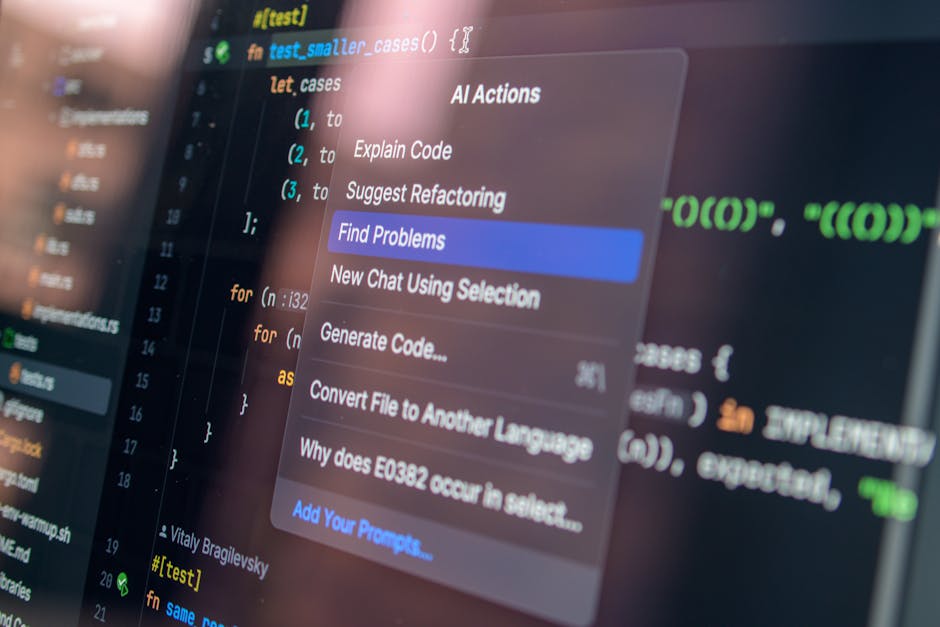
OpenAI has introduced GPT-Red, a self-playing AI model that actively tests its own systems by simulating attacks, significantly enhancing its ability to identify vulnerabilities. This advancement is crucial in an era where AI applications are becoming increasingly pervasive, emphasizing the necessity for robust security protocols.
The core innovation behind GPT-Red involves a self-play mechanism where the model generates attack scenarios to probe the limits of its defenses. This contrasts with conventional testing approaches, which typically rely on static test cases defined by human operators. By employing an AI-centric technique, OpenAI enables continuous, dynamic testing protocols that evolve alongside the system’s own learning patterns. Essentially, as the AI develops, so does the strategy of recognizing potential attack vectors, ensuring a proactive stance in security.
Moreover, the implications of GPT-Red extend beyond basic vulnerability detection. The model’s ability to autonomously generate and execute test cases can lead to a more thorough development cycle for OpenAI’s upcoming models. This proactive testing method allows for the rapid identification of weaknesses, facilitating timely updates and improvements to the underlying architecture before deployment. As AI systems become more integrated into various sectors, this approach streamlines the iterative process of securing systems against potential intrusions or misuse.
As developers and organizations incorporate AI technologies into their operations, the significance of such self-defense mechanisms must be acknowledged. GPT-Red represents a shift in the way security can be approached, moving towards self-improving systems capable of assessing and bolstering their defenses independently. This not only enhances security but also helps safeguard sensitive user data and maintain trust, which is vital in fostering the adoption of AI technologies across multiple domains.
The evolution of self-testing mechanisms in AI, as demonstrated by OpenAI’s GPT-Red, highlights a pivotal step towards creating more resilient AI systems. As these tools become integral to software development and deployment, they ensure that vulnerabilities are not only identified but addressed, promoting safer interactions with AI-driven applications. This paradigm shift will likely shape the future of AI security, establishing higher standards for developers aiming to build robust, secure AI systems.
🔗 Source: The Decoder